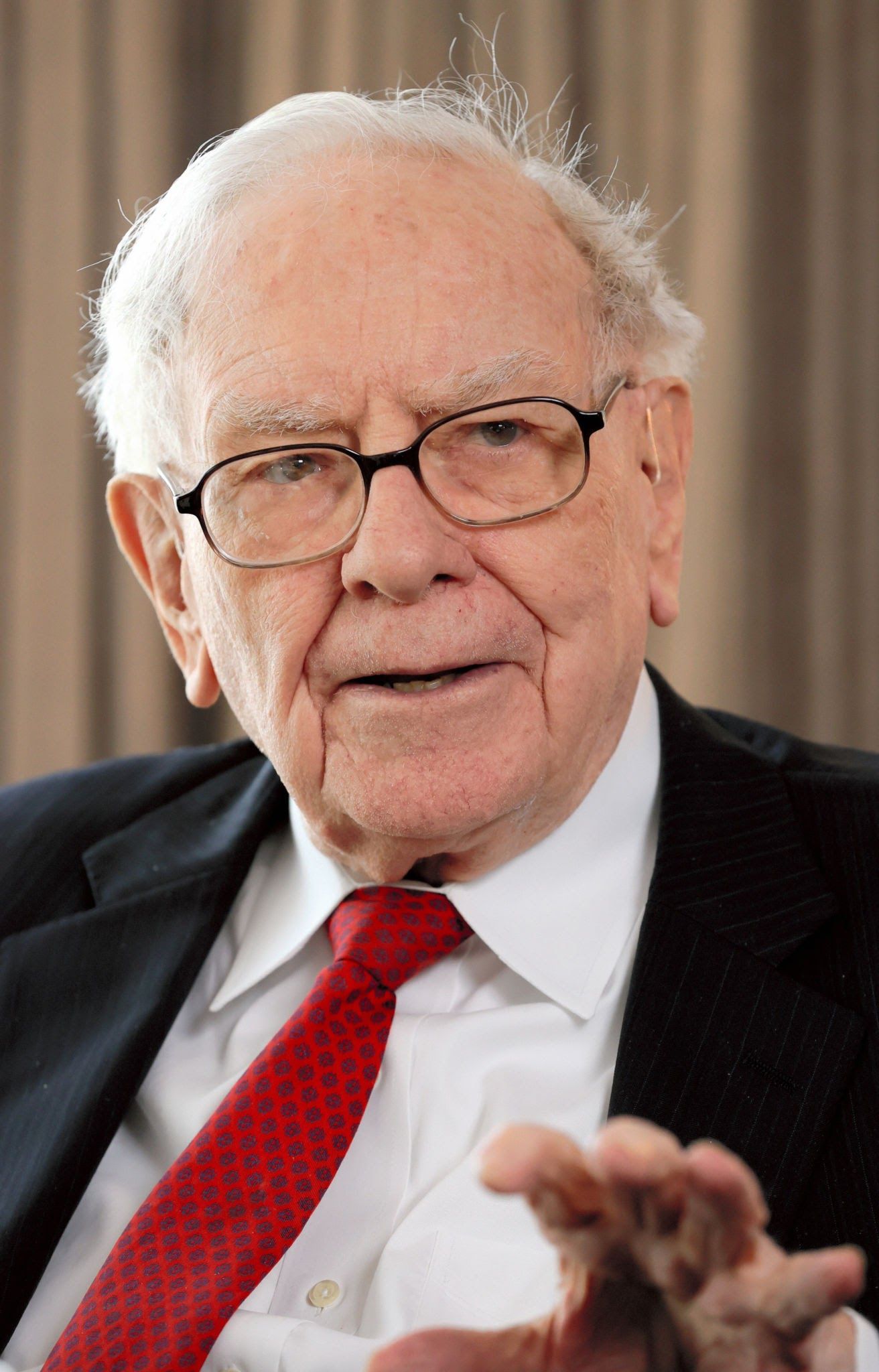
Warren Buffett — The Rules He Actually Uses
Start young, learn from the masters. He bought his first stock at age 11 and—by studying Benjamin Graham and reading The Intelligent Investor at 18—he learned the discipline of buying value with a “margin of safety.”

Imagine buying a business and then forgetting about it for 20 years — but watching it quietly compound into something enormous. That’s the style.
We don't write redundant pieces that waste your time. Here are the hard-edged lessons from his letters, interviews and biographies, with dates and milestones to make the method concrete.
Key doctrine (short bullets you can act on):
Intrinsic value over market noise. Estimate the present value of a business’s future cash flows and buy when price << intrinsic value. Think long time frames: Buffett formed the Buffett Partnership in 1956, and used that vehicle through the 1960s to buy bargains.
Circle of competence. Only invest where you can understand the business and its economics. If you can’t explain how the company makes money in plain terms, don’t buy.
Margin of safety. Buy with a buffer—price low enough to protect against errors in your forecast. This principle comes directly from Graham and underpins nearly every purchase.
Economic moats and predictable earning power. He pays premiums for businesses with durable advantages (brands, switching costs, distribution). A classic example: the purchase of See’s Candy in 1972 — a business with steady margins and pricing power. See's Candy
Management matters. Honest, owner-oriented managers are worth paying for. He prefers CEOs who allocate capital like owners.
The power of patience and compounding. Buffett runs Berkshire as a compounder. He took control of Berkshire Hathaway in 1965 and turned it into an acquisition engine. Insurance float (e.g., investments and deals tied to companies like GEICO) let him deploy capital at scale.
Concentration, not diversification. He says diversification is protection for the uninformed. When conviction is high, concentrate — but only within your circle of competence.
Frugality and temperament. The single most repeatable edge is emotional discipline: be greedy when others panic; be cautious when others are euphoric.
Concrete numbers to remember:
He moved from small partnerships (1956–1964) into a holding company (1965 onward) and used patient capital to convert one acquisition at a time into a large, compounding base. Across decades his approach turned modest seeds into massive trees — not by clever timing, but by repeating the above rules, over and over.
